04.22.2026 | Community
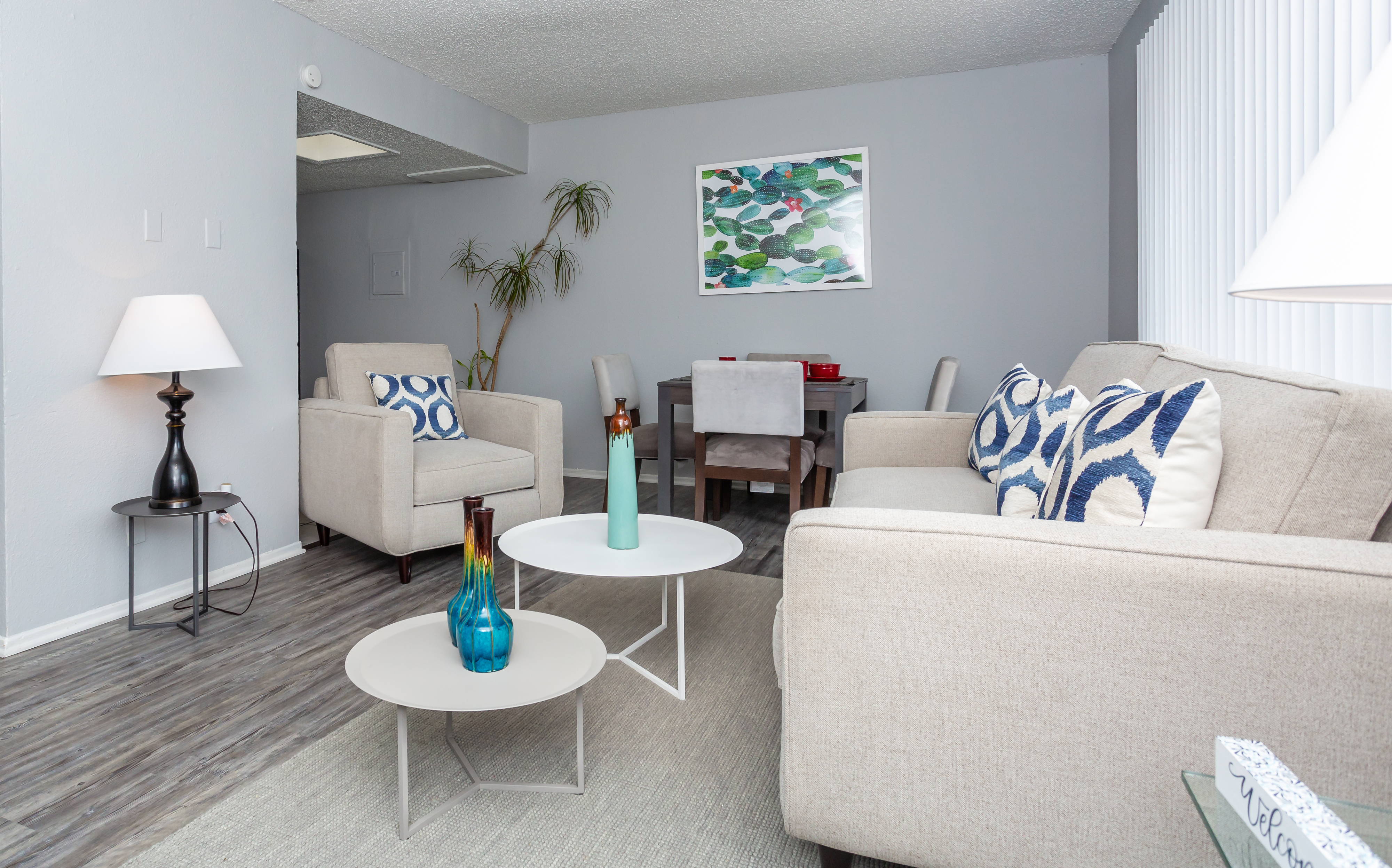
If you’re wondering how Section 8 works, you’ve come to the right place! Section 8 is a federal housing program established in 1937 to assist low-income families, seniors, and disabled people with quality, affordable housing. The U.S. Department of Housing and Urban Development (HUD) funds the program, but local public housing authorities (PHAs) are the ones who oversee it in their jurisdictions. People who qualify for Section 8 receive special housing vouchers to use toward their rent payments for private housing. They can still decide where they want to live without being restricted to specific housing communities. The housing vouchers pay the landlord a portion of the rent price, while the tenant must pay the rest. If you’re searching for apartments that accept Section 8 in Dallas, Las Lomas is a great place to call home. We offer spacious one, two, and three-bedroom floor plans designed with comfort and functionality in mind. Each home features inviting interiors with stylish finishes, creating a space you’ll love coming back to. Our community amenities are designed to support your everyday lifestyle, including a playground, on-site laundry facilities, and more. Contact us today to check availability and schedule your tour: (214) 391-0297
Keep Reading to Learn More About Section 8 and Income Requirements
The main qualification is the income requirement. Since Section 8 is supposed to be for low-income individuals, an applicant must prove they have a low enough income to satisfy the income eligibility requirement.
In most cases, an applicant must have an annual income of less than 50% of their county or metropolitan area’s median income. Anyone with an income of over 50% of the local median income will not qualify for Section 8.
In Dallas, a single person cannot make more than $37,350 per year to qualify for HUD, whereas a family of four must have a household income under $58,650 to qualify. The Dallas Housing Authority can give you updated median income requirements, since they frequently change per year.
If you qualify, you will receive a housing voucher to pay a percentage of your monthly rent price on the private unit of your choice.
Other Requirements for Section 8
Income is only one of the eligibility requirements for Section 8. Some of the others to consider include:
Must Pass Inspection:
The housing unit must meet the standards and guidelines of HUD and the PHA before the voucher is issued. A local PHA inspector will have to inspect the private housing unit that you would like to rent to verify its eligibility (if it has not been approved for Section 8 already).
The Landlord Must Accept Section 8:
Don’t assume that all landlords and property owners will accept Section 8 housing vouchers, because some of them don’t. That is why you need to verify with the landlord that the voucher is acceptable to use at the property.
Must Be a U.S. Citizen or Legal Immigrant:
The head of the household must have U.S. citizenship or legal immigration status to qualify for Section 8. Legal status might include asylum status, refugee status, or legal permanent resident status.
Total Assets Under $100,000:
Your total assets and net worth must be under $100,000 to qualify for Section 8. The PHA will consider all your asset holdings, including stocks, bank accounts, real estate holdings, and other investments. If the total value is over $100,000, you won’t qualify.
Discover Section 8 Living at Las Lomas Apartments
Las Lomas Apartments is one example of an apartment community in Dallas that participates in Section 8. If you have a housing voucher, you can use it to secure an affordable 1 to 3-bedroom apartment home at Las Lomas. If you’d like to learn more about Las Lomas Apartments and which units accept Section 8 vouchers for more affordable rent, feel free to contact us at (214) 391-0297 for more information.